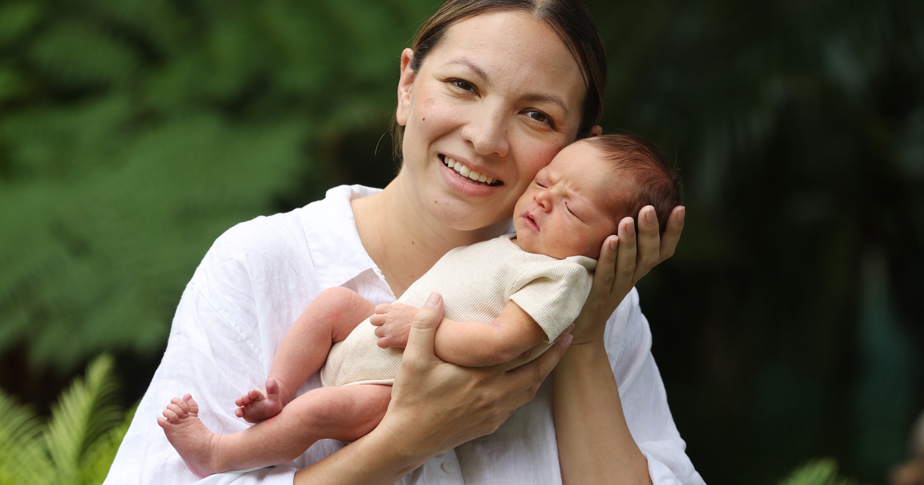
When first time mum Christine Newton was diagnosed with gestational diabetes 28 weeks into her pregnancy, she was shocked and scared.
“When I got the diagnosis, I was devastated, I’d been eating really well and living what I thought was a healthy lifestyle, and I was wondering what I did to cause it,” Ms Newton said.
“I went to the Mater Mothers’ Hospital South Brisbane, and they were really supportive, and explained that the placenta releases hormones that can make it difficult for the body to regulate blood sugar levels effectively.
“The team then helped me manage my blood glucose levels through diet and exercise and regular blood tests for the remainder of my pregnancy, and I just gave birth to a healthy baby girl.”
Mater Mothers’ Hospital diabetes service cares for around 2000 women each year with gestational diabetes, a condition that is most often detected in routine screening around the 24–28-week mark.
Director of Obstetric Medicine at Mater Mothers’ Hospital A/Prof Jo Laurie, said the condition affects up to 20 percent of pregnant women, making it the most common medical disorder in pregnancy.
“Women with gestational diabetes mellitus (GDM) are at greater risk of pre-eclampsia, and if untreated it can lead to complications with baby, in addition to an increased risk of developing heart disease, kidney disease and diabetes up to 15 years after giving birth,” A/Prof Laurie said.
“Heart disease is one of the leading causes of death of women in Australia and gestational diabetes can significantly increase a woman’s risk of developing it later in life.
“If it’s not controlled in pregnancy, GDM can also affect babies, with a high birthweight, premature birth, jaundice, breathing problems and elevated blood sugar levels.”
The incidence of gestational diabetes has steadily risen in recent years, largely due to increased rates of sedentary lifestyle, higher body weights and older women becoming mothers.
According to updated Australasian Diabetes in Pregnancy Society (ADIPS) criteria, one in six Australian women are likely to suffer gestational diabetes and even healthy women are at risk.
“Gestational diabetes is common, it’s caused by hormonal changes in pregnancy that can interfere with insulin function,” A/Prof Laurie said.
“To avoid getting gestational diabetes, mothers need to maintain a healthy weight, eat a balanced diet and exercise regularly,
“We want to make sure all women are screened properly and are supported to monitor their blood glucose levels with healthy nutrition and exercise during their pregnancy and after giving birth.”
Late last year Mater started the 4HER Clinic, which has been specifically designed to assist women manage their long-term health following a pregnancy.
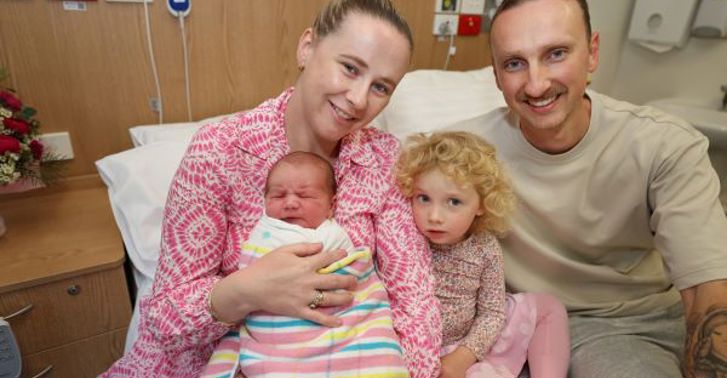
Ms Newton who gave birth to a healthy baby girl named Indiana on October 21st has booked in at the 4HER Clinic for a three-month check-up.
“I really want to keep up the healthy living and eating and I don’t want to expose myself to any future risks and complications, because I could have GDM in future pregnancies,” Ms Newton said.
“The 4Her Clinic provides extra support to help manage the risks and make sure everything is tracking right, so I’m going to be pro-active and do everything I can to stay healthy for me and my family.”