
A specialist service dedicated to saving Queensland’s tiniest babies is being rolled out to other hospitals after delivering incredible results – and hundreds of healthy babies.
The Fetal Growth Clinic was launched at Mater Mothers’ Hospital to provide intensive monitoring and support for the smallest 10 per cent of unborn babies.
While the national stillbirth rate for such babies is 12.4 per cent, the rate for Mater’s clinic is just 0.56 per cent – more than 22 times lower.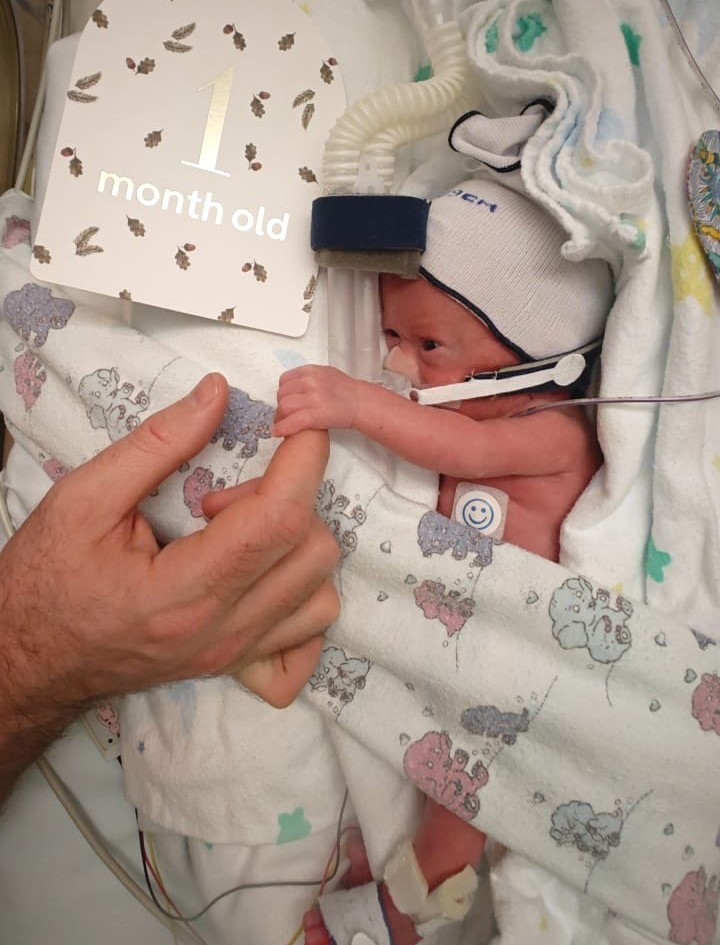
Similar clinics are now being launched at the Royal Brisbane and Women’s Hospital and Logan Hospital to ensure more mothers and babies benefit from the nation-leading clinical model developed by Mater.
The clinic receives funding from the Nine Telethon supporting Mater Little Miracles and Queenslanders can show its patients and clinicians their support by tuning in and donating to this year’s Telethon broadcast from 4pm tonight.
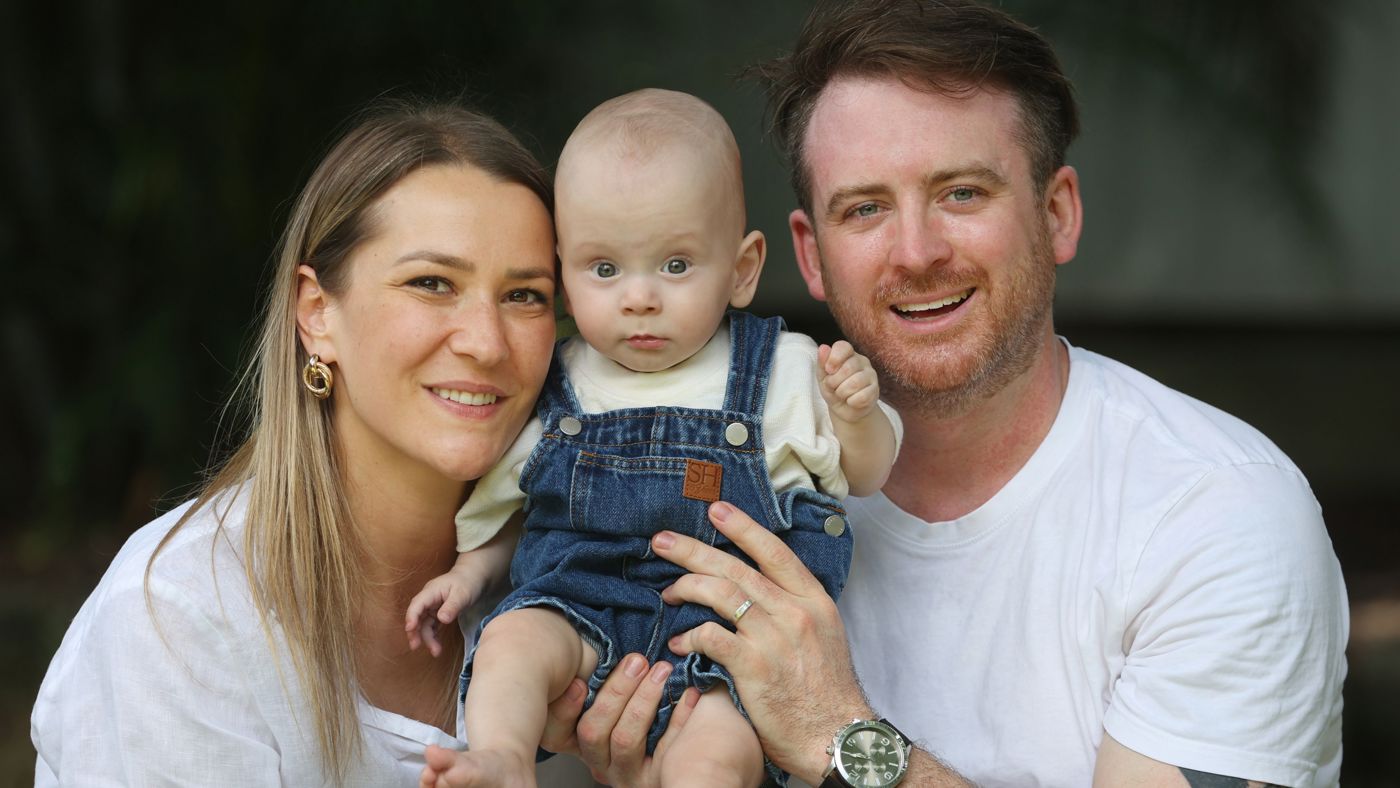
Proud mum Margaux Charbonniere and husband Chris Walsh will be watching after experiencing the clinic’s ground-breaking care at first-hand.
The couple were told they had a “very, very small” baby during Ms Charbonniere’s 20-week scan and were then referred to the Mater Fetal Growth Clinic.
After more scans at Mater, doctors confirmed their baby was in the very first percentile for fetal growth.
“We were told about all of the risks our baby faced, such as cerebral palsy, neurological delay and stillbirth,” Ms Charbonniere said.
“It came as a real surprise to us. As first-time parents, and being young and healthy, we never expected to face complications during the pregnancy.”
The Fetal Growth Clinic was established in 2021 by Professor Sailesh Kumar, Mater’s Maternal Fetal Medicine Senior Specialist, and supports around 300 women a year.
The clinic provides expert sonography to monitor each baby’s progress, while also monitoring the health of mothers for issues such as pre-eclampsia.
“Our aim is to carefully monitor women like Margaux and their babies to try and prolong the pregnancy for as long as it's safely possible,” Prof Kumar said.
“Each day that a growth-restricted baby spends in utero helps it to grow stronger and reduces the risk of complications after birth, including brain injury.”
Ms Charbonniere initially attended the clinic weekly, but by 28 weeks she was being seen every two days and in week 29 she was admitted to Mater Mothers’ Hospital for daily monitoring.
She had developed a Breus’ mole, a rare complication in which a blood clot forms under the placenta, depriving her baby of essential nutrients.
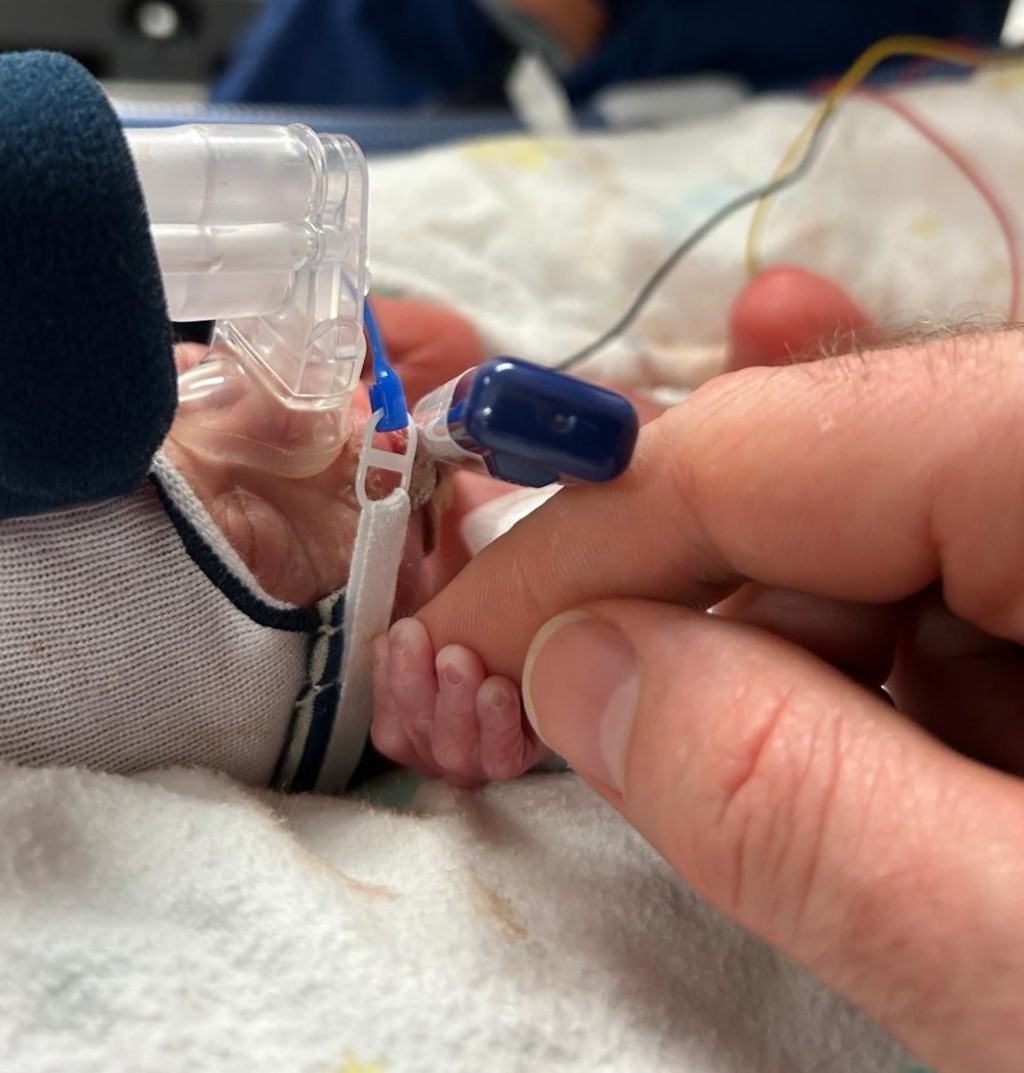
Two days after being admitted to hospital, Ms Charbonniere’s placenta began to fail and she underwent an emergency c-section to deliver a baby boy, Oscar, weighing just 711grams.
“He was such a tiny little boy, but I felt so relieved when I heard him cry,” Ms Charbonniere said.
“I cried because he was here, he was OK and he was safe.”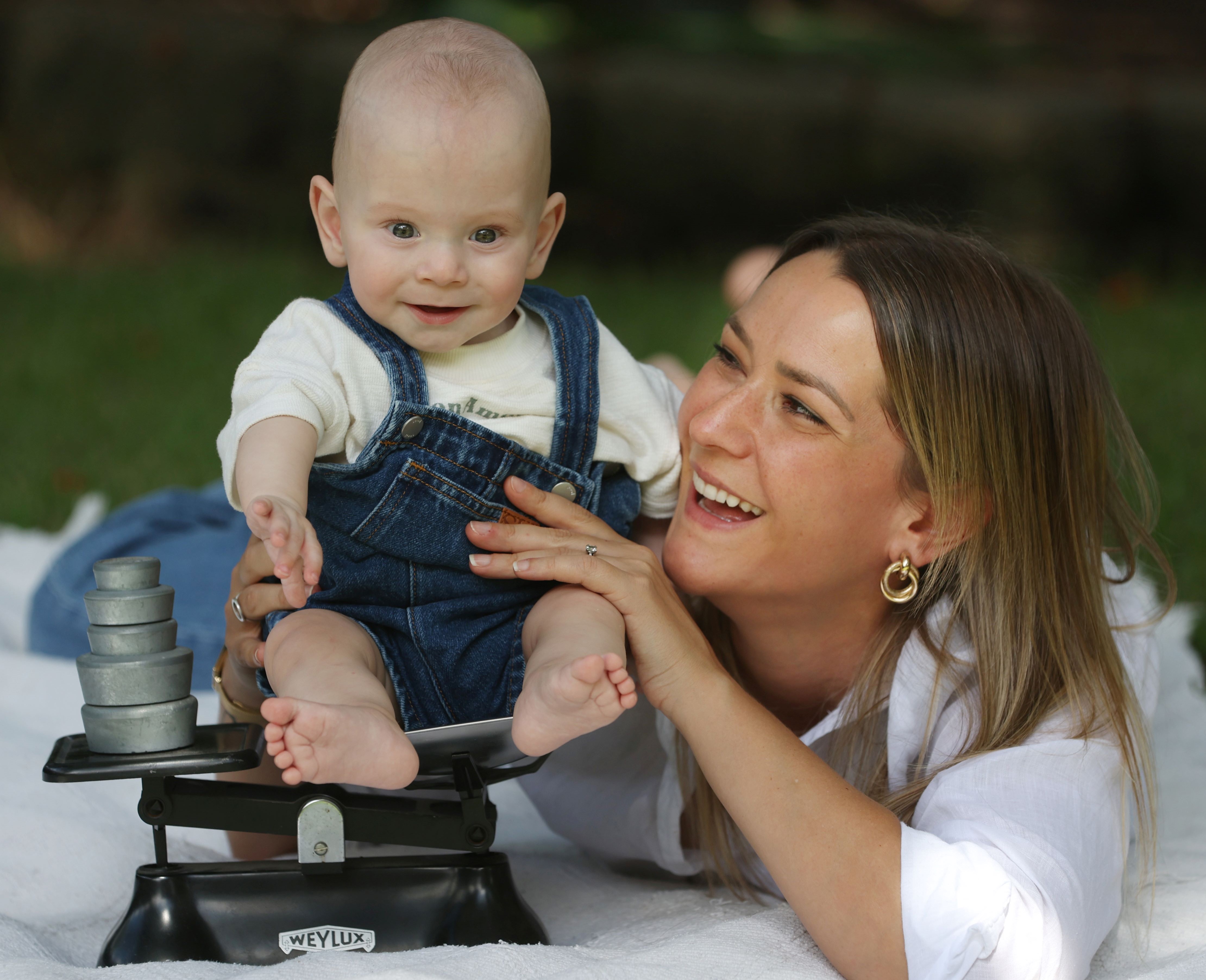
Oscar spent 71 days in the Mater Neonatal Critical Care Unit before he was allowed to go home and doctors have been delighted with his progress.
He now weighs more than 8 kgs and will celebrate his first birthday next month.
“We can’t thank the Fetal Growth Clinic and NCCU teams enough – every person had a positive impact on us and on Oscar,” Ms Charbonniere said.
“Oscar has hit all of his milestones and is always talking and smiling. It’s been an intense journey into motherhood but I’m loving every moment of it.”
The Nine Telethon supporting Mater Little Miracles begins at 5pm today.
Keep reading
-

News
Nine Telethon grants to help save lives of tiniest miracles
-

News
2026 Nine Telethon raises $12.3 million for Mater Little Miracles
-

News
2026 Nine Telethon launches with $1.5 million donation in support of Mater Little Miracles
-

News
2025 Nine Telethon raises more than $10 million for Mater Little Miracles