Mater specialists are using artificial intelligence to improve detection rates of potentially cancerous growths in the fight against bowel cancer.
Bowel cancer is Australia’s second-largest cancer killer – claiming around 5000 lives a year – but 99 per cent of cases can be treated successfully if detected early.
Mater specialist gastroenterologist Sylvia Vigh said the adoption of AI software in colonoscopy screening has been a significant development for improving polyp detection rates.
“Artificial intelligence has been incorporated into our colonoscopy software at Mater for more than a year, and it helps in surveillance for polyps whilst colonoscopies are being conducted in real time,” Dr Vigh said.
“Gastroenterologists are well-trained to detect polyps and adenomas, which are non-cancerous tumours. However, with the addition of AI algorithmic software, subtle changes are detected and highlighted by drawing a box around it.
“Specialists can then look at the area more closely, to confirm if a polyp or an adenoma is present.”
Dr Vigh said using AI during colonoscopies is not only highly accurate at detection but also reduces the risk of missing polyps.
“AI scans the colonoscopy images while it’s being conducted, and it’s like having a second set of eyes in the procedure, which can greatly improve patient outcomes.”
June is Bowel Cancer Awareness Month, a time to raise awareness about the threat posed by the disease and highlight improvements in treatment.
Currently around 15,000 Australians are diagnosed with bowel cancer each year. While most are aged over 50, Australia now has the highest rate of bowel cancer in the under-50s in the world – accounting for one in every nine cases.
Free home testing kits are sent out every two years to people aged 50 and over, as part of Australia’s national bowel cancer screening program. Those aged over 45 can also opt in for testing.
Of the six million tests sent out to people aged over 45 each year, around 40 percent failed to return their testing samples.
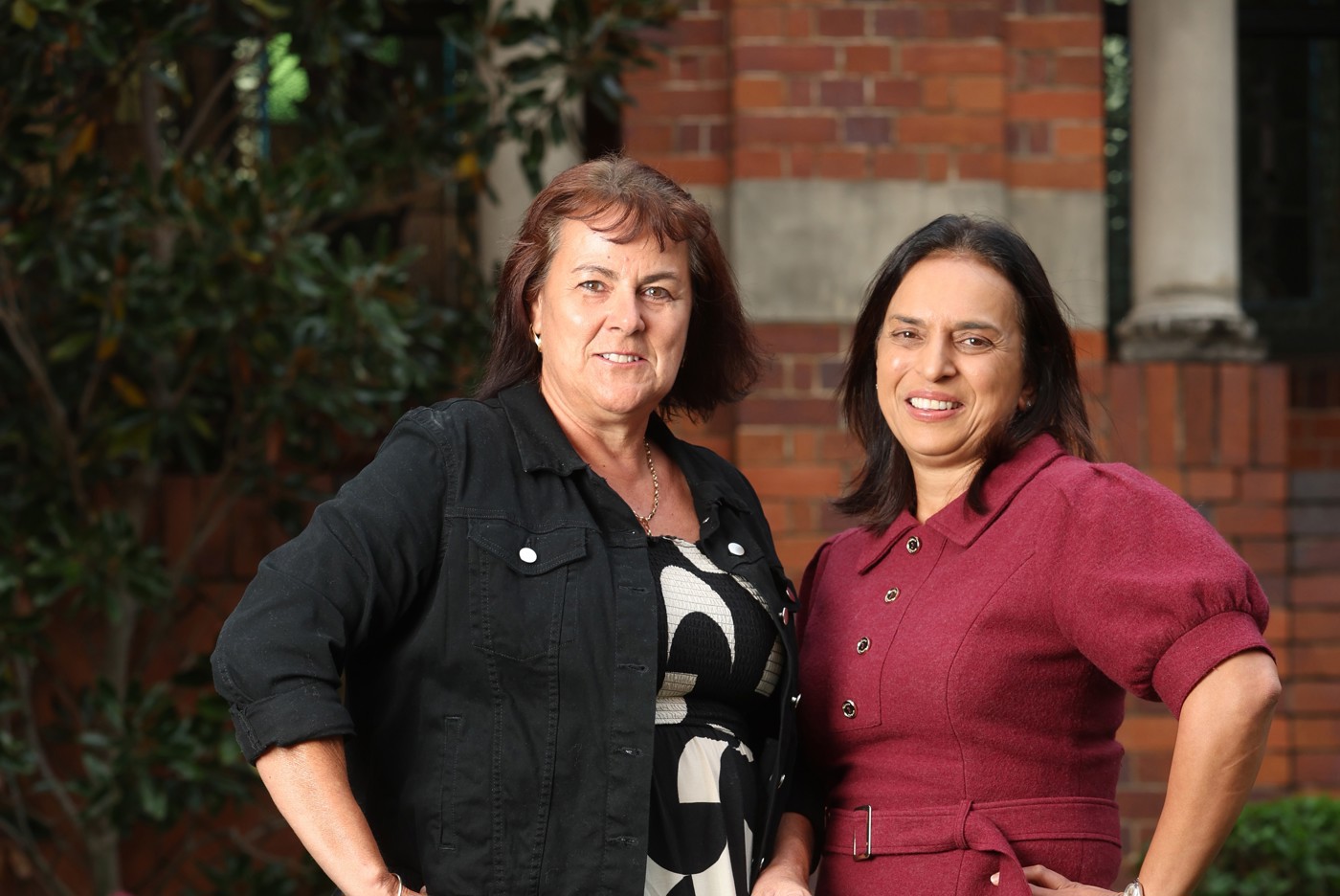
Brisbane bowel cancer survivor Kathryn Dawes, 57, was one of them, and said she regrets not doing the free test, in which participants collect stool samples to be sent away for analysis.
“I received the first test in the mail when I turned 50 and I had three in the cupboard,” Ms Dawes said.
“I thought ‘I’m not going to send a stool sample away’, because you think it’s never going to happen to you.”
But in February 2025, the deputy principal began feeling unwell and noticed blood in her stool.
When a CT scan revealed a blockage in her bowel Ms Dawes GP thought she might have diverticulitis, but a colonoscopy in May 2025 revealed the worst.
“When the doctor said, ‘You’ve got bowel cancer,’ I was in shock, I definitely was not expecting that diagnosis,” Ms Dawes said.
“I had surgery 10 days later at Mater, and I had a stage three advanced tumour that was completely obstructing my bowel.
“The surgeon cut out a large section of my intestine to remove the tumour, and I then had 12 rounds of chemotherapy over a six-month period.”
Now declared ‘cancer-free’, Ms Dawes said she is keen to help increase bowel cancer awareness and encourage everyone to do the free testing kits.
“Don’t put off doing the test, it takes less than 15 minutes, and it could save your life.”
This Bowel Cancer Awareness Month, Mater doctors are urging people to talk to their GPs and ask for testing if they are experiencing any of the following symptoms: blood in their stool, stomach pain, fatigue, weight loss or changes in bowel movements.
“If you are suffering from any of these symptoms, don’t ignore them, go to your GP and ask for a stool test,” Dr Vigh said.
“In addition, even if you are asymptomatic, don’t ignore the bowel testing kit that arrives in the mail.
“If the test is positive, you should get a colonoscopy as soon as possible. Early detection and treatment could save your life.”