Categories:
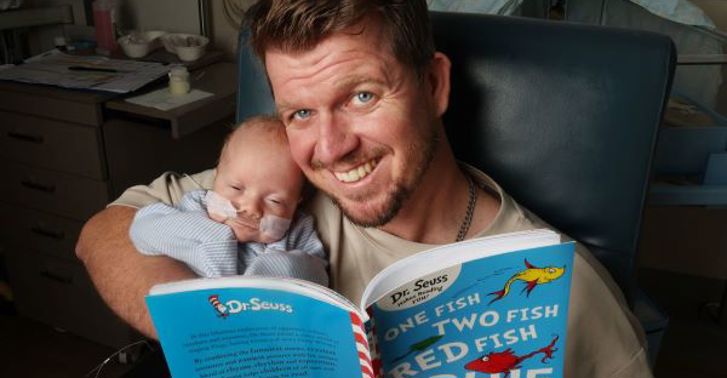
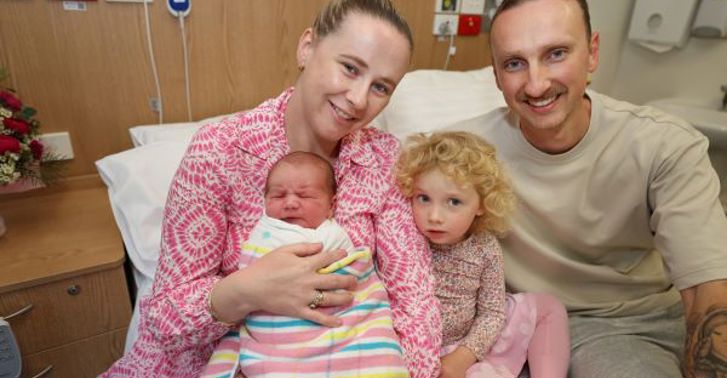
For Springfield mum, Nicole Lloyd, falling pregnant was always unnerving. 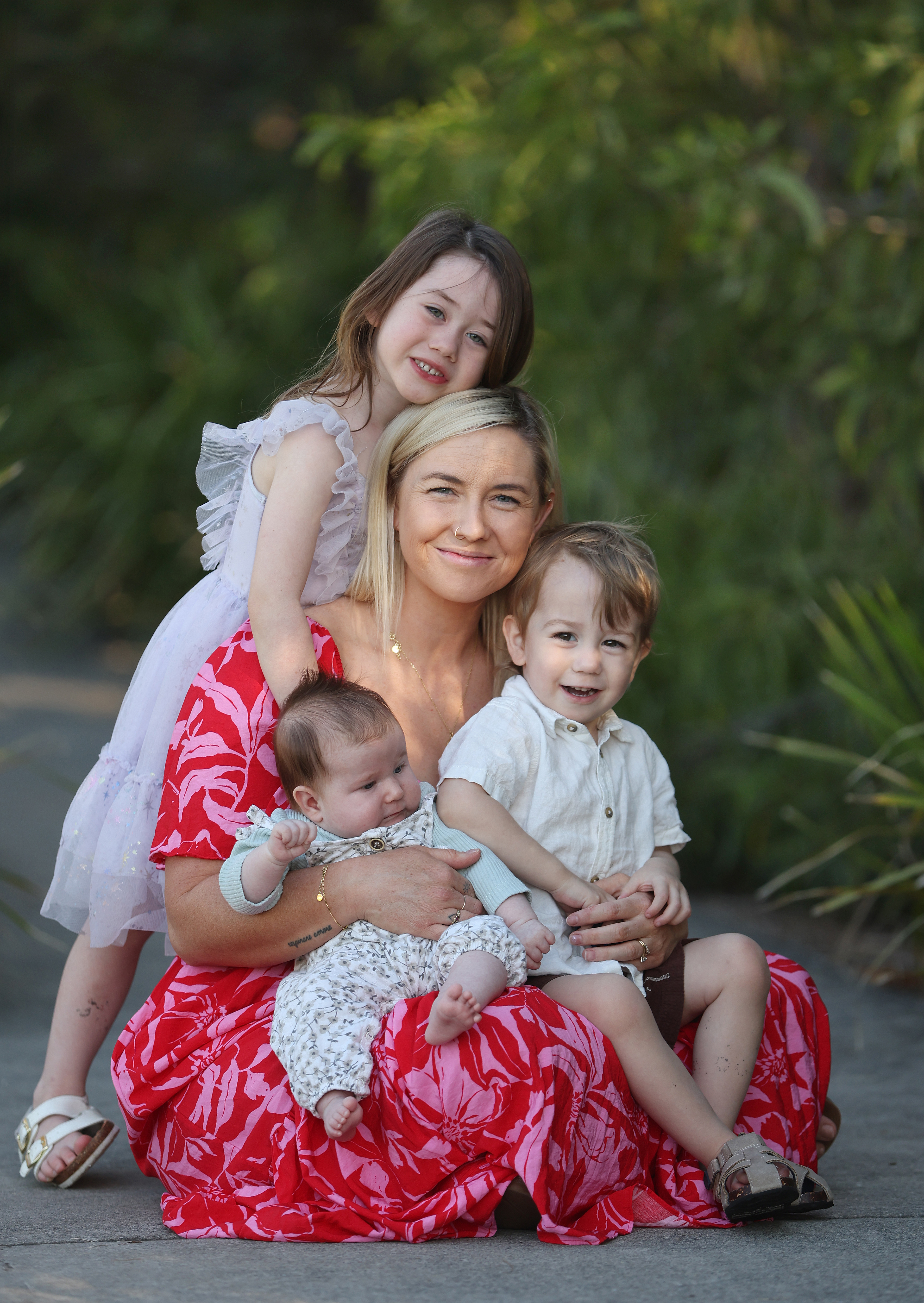
Having lived with Type 1 Diabetes (T1D) since 2012, every birth carried increased risks for both her and her baby.
But in an Australian-first, a new model of care developed by Mater is delivering comfort for pregnant women with Type 1 or Type 2 diabetes.
New research shows Mater Mothers’ Hospital’s Obstetric Medicine Midwifery Group Practice (OMGP) is providing significantly improved outcomes for mother and baby.
Designed to bridge the gap between specialist medical care, and the personalised, continuous support of midwifery-led models, it offers women a unique blend of high-level clinical expertise alongside consistent, relationship-based care throughout their entire pregnancy.
Ms Lloyd used the program for two of her three pregnancies and says the OMGP model completely transformed her birthing experience.
“The program provided me with a more personal experience than with the traditional model of care I used for my first birth,” said Ms Lloyd.
“It gave me the autonomy that was lacking during my first.
“Through the program I had the same midwife through both pregnancies, which meant she knew my entire history and was really mindful of what I wanted to do. I never had to repeat myself."
A new study published in the Australian and New Zealand Journal of Obstetrics and Gynaecology (ANZJOG) has evaluated the first cohort of women to participate in the program, finding that integrating specialist obstetric medicine with midwifery continuity not only enhances clinical outcomes, but also transforms the perinatal experience—giving babies a stronger start to life and helping mothers feel deeply supported and confident in their care.
The study, led by Associate Professor Shelley Wilkinson and Associate Professor Jo Laurie, used a mixed-methods pre/post design to compare outcomes for 56 women receiving standard care with 38 women enrolled in the OMGP model.
A/Prof Wilkinson said that pregnancy for women with pre-existing diabetes carries elevated risks, including higher rates of prematurity, larger birthweights, neonatal intensive care admissions and surgical deliveries.
“Traditional hospital care for complex pregnancies often involves a rotating roster of clinicians, which can lead to fragmented communication and leave women feeling disempowered,” said A/Prof Wilkinson.
“Women do not want to be perceived merely as ‘high-risk’ they want to be heard, retain autonomy and have choices regarding their care.
“The OMGP model was designed to keep the woman at the centre of her care team.”
The results also show significant improvements in key neonatal and postnatal outcomes, without compromising safety:
- Mean gestational age increased to 37.4 weeks (from 36 weeks)
- No small-for-gestational-age (SGA) infants (compared to 10.7 per cent in standard care)
- Antenatal colostrum expressing soared to 76.3 per cent (from 33.9 per cent)
- Exclusive breastfeeding at discharge rose to 71.1 per cent (from 58.9 per cent)
By extending pregnancy duration by nearly a week and a half on average, the model safely gave babies crucial extra time to develop in utero.
Participants reported significantly higher levels of trust and confidence in their care team, particularly during labour and birth, and all women in the OMGP model received dedicated maternity care in their homes following discharge - compared to just 47.1 per cent in the standard model.
The substantial increase in antenatal expressing and breastfeeding rates also highlights the program’s effectiveness in supporting mothers beyond birth.
Communication was notably improved, with 86.4 per cent of OMGP participants reporting that the reasons for induction were clearly explained, compared to 41.2 per cent in standard care.
Women described feeling supported, known and advocated for throughout their pregnancy journey.
Ms Lloyd says her midwife advocated for her every step of the way, particularly during her second birth when her baby experienced shoulder dystocia.
"They needed to do an X-ray, but I didn’t want to be separated from my baby. Naomi looked at me and immediately knew what I wanted and asked them to bring the X-ray machine to the room so I could be with my baby the entire time,” said Ms Lloyd.
“I had such amazing and respectful experiences in the program. They gave me all the information and let me make my own choices.
"The OMGP also taught me to be more confident with my choices. Women need to be able to make choices for themselves and have people who support them."
Associate Professor Laurie said that responses praised the positive impact of continuous care.
“We continually heard how personalised support provided by midwives, and the way teams went above and beyond during difficult periods, completely changed women’s experience” A/Prof Laurie said.
“The results demonstrate that medical complexity does not need to come at the expense of continuity or woman-centred care.” A/Prof Laurie said.
The research team is now exploring opportunities to expand the model to support women with other complex and chronic conditions.
The full paper, titled “Clinical Outcomes and Women's Experiences of the ‘OMGP’ Model of Care” was published in the Australian and New Zealand Journal of Obstetrics and Gynaecology in February 2026.