For people living in regional locations, accessing specialist care can often mean long journeys, time away from work and family, and significant disruption to daily life. Virtual care is changing that by making specialist healthcare more accessible while maintaining the personal connections that matter most.
At Mater, Virtual Care continues to play an important role in improving access to healthcare, helping patients connect with specialist teams regardless of where they live.
Seeing the person behind the screen
For Dr Liza Phillips, Clinical Director of Endocrinology and a member of Queensland's Lifespan Metabolic service, Video call (Telehealth) has become an invaluable part of delivering care to patients across Queensland and Northern New South Wales.
The Queensland Lifespan Metabolic Service, a partnership between Queensland Children’s Hospital and Mater Hospital, provides specialist care to paediatric and adult patients living with metabolic conditions. The adult service supports around 500 patients living with more than 100 rare metabolic conditions across the state. Many patients reside outside metropolitan areas, where travelling to Brisbane for specialist appointments can be both time-consuming and costly.
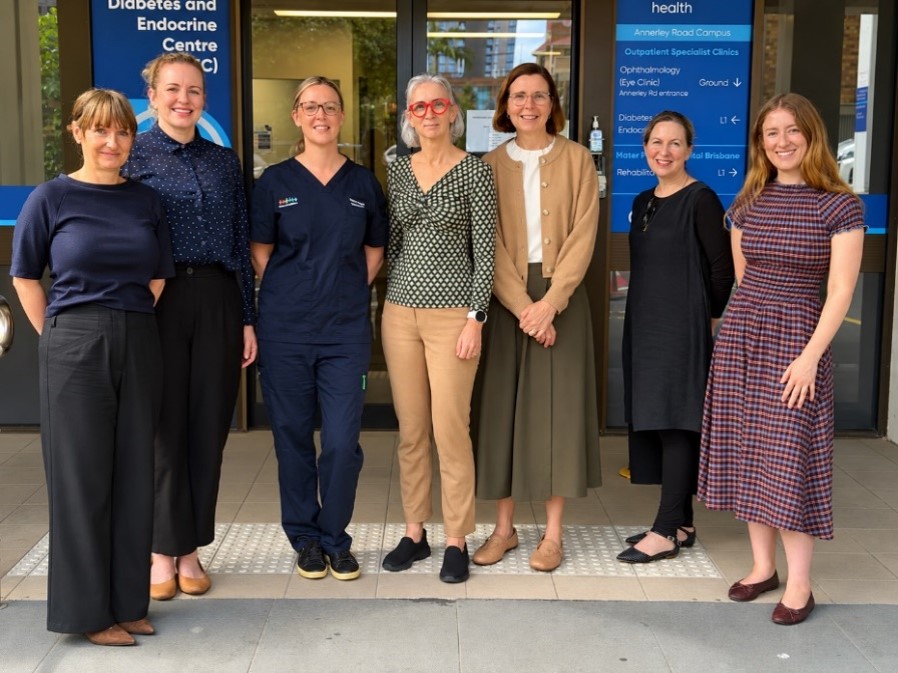 Photo 1: Metabolic Team L-R: Dr Liza Phillips, Stephanie Brown (Metabolic dietitian), Sally Smith (Metabolic NP), Anita Inwood (Metabolic NP – Director of Queensland Lifespan Metabolic Service), Dr Janelle Nisbet, Dr Michelle Lipke, Dr Charlotte Piesse (Advanced Trainee)
“ Video offers an important advantage over a phone call: clinicians and patients can see one another. That visual connection can make an appointment feel more personal and help build familiarity before the next face-to-face visit. It also gives patients a scheduled time to connect."
The metabolic team uses a hybrid model of care, combining face to face appointments along with video consultations for routine reviews, results discussions and follow-up care. This approach provides patients with greater flexibility while ensuring face-to-face care remains available whenever needed.
For clinicians, virtual care offers the opportunity to maintain continuity of care without requiring patients to undertake unnecessary travel. For patients, it means less time away from work, family responsibilities and everyday life.
"Virtual care is not a replacement for in-person care," Dr Phillips explains. "It's another option that allows us to provide care in a way that best suits the patient's circumstances while maintaining strong clinical relationships."
Care that fits real life
For Cassandra Ingham from Townsville, virtual care has been an important part of managing her rare metabolic condition since her diagnosis in 2013. Living more than 1,300 kilometres from Brisbane, accessing specialist care traditionally would have involved significant travel. Instead, telehealth has enabled Cassandra to remain closely connected with her specialist metabolic team from her home community.
Using her smartphone, Cassandra can attend appointments during a work break and return to her day without the disruption of lengthy travel.
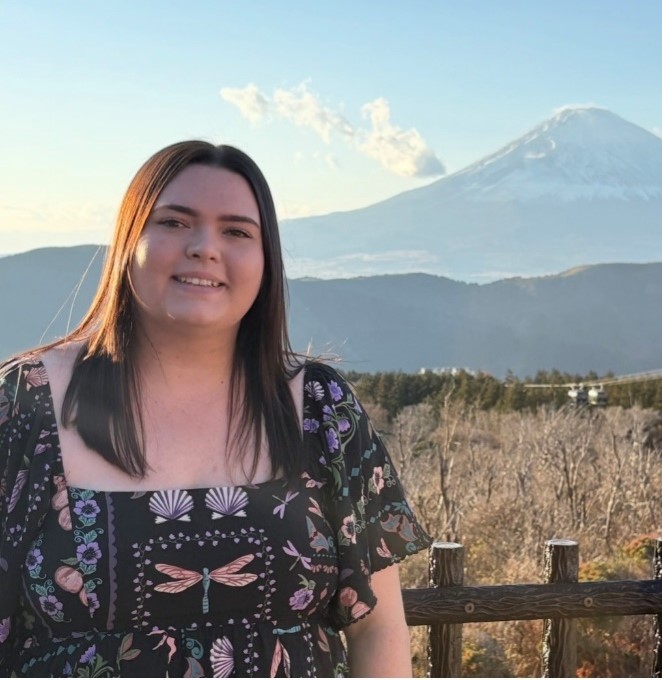 Photo 2: Cassandra Ingham
"Video call (Telehealth) makes it much easier to fit appointments around everyday life," she says. "It's straightforward to use and means I can access the specialist advice I need without having to take significant time away from work and family."
While in-person appointments remain an important part of her care, virtual consultations provide ongoing access to specialist clinicians and dietitians when support is needed.
For Cassandra, the benefits extend beyond convenience.
"Having access to specialist care through telehealth gives me confidence and reassurance that support is there when I need it," she says. "I would definitely recommend it to others who need to travel for healthcare."
Bringing healthcare closer
Stories like Cassandra's demonstrate the impact virtual care can have on patients living with complex and rare conditions. By reducing barriers to access and offering greater flexibility, virtual care helps ensure patients receive the right care, at the right time, in the way that works best for them.
As Mater celebrates Virtual Care Week 2026, the experiences of patients and clinicians alike highlight the power of technology to strengthen connections, improve access, and bring healthcare closer to every patient, every time.