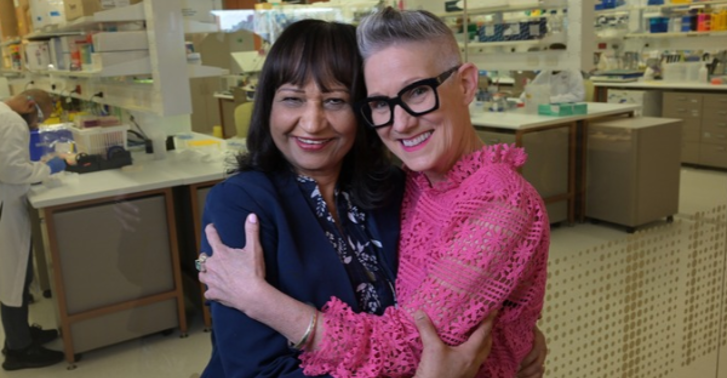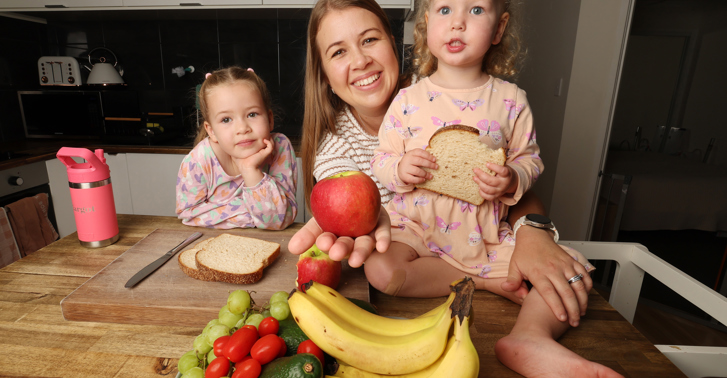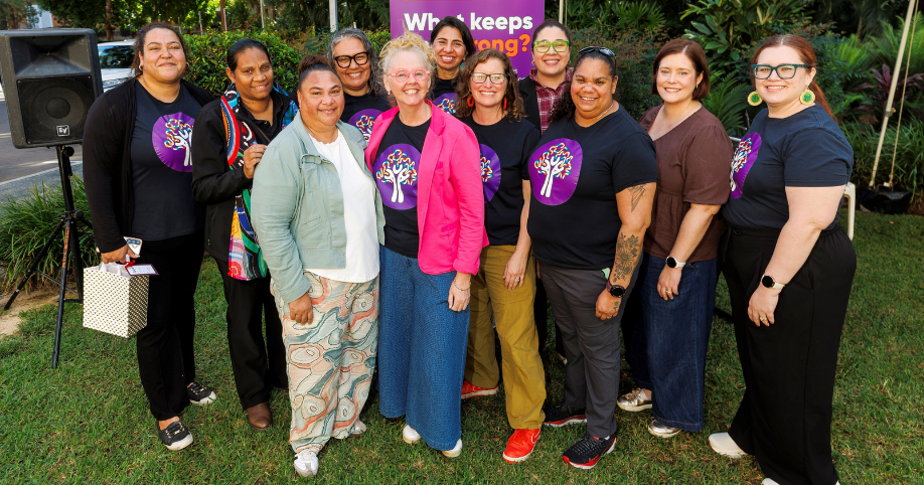
Mater Research in partnership with an Indigenous Steering Committee invite Aboriginal and/or Torres Strait Islander families across Far North, North, Central and South-East Queensland to take part in a co-designed birth cohort study.
This project is based on more than two years of consultation with more than 400 Aboriginal and/or Torres Strait Islander people from rural, regional and metropolitan Queensland. Community members engaged in yarning sessions that identified healthcare priorities for their communities.
The Strong Families Study aims to strengthen health and wellbeing outcomes for the next generation of First Nations children born in Queensland – and their parents.
This Indigenous-led study will walk alongside Aboriginal and/or Torres Strait Islander mothers, partners and bubbas on their journey from pregnancy over the First 1,000 days.
The Strong Families Study was launched at Mater’s South Brisbane health campus, but has been extended to cover the Rockhampton, Townsville and Cairns communities thanks to a $4.69 million National Health and Medical Research Council (NHMRC) grant – the largest ever received by Mater Research.
The study is being led by Professor Kym Rae, who heads Mater Research’s Indigenous Health Research Group in partnership with an Indigenous Steering Committee consisting of 32 representatives of partner health services in Cairns, Mareeba, Townsville, Rockhampton and Brisbane.
As well as improving understanding of the health priorities faced by Aboriginal and/or Torres Strait Islander peoples, the cohort team will also provide family support programs with culturally responsive health education.
“In partnership with our team, parents can self-refer to social and emotional wellbeing programs, providing parenting and mental health support,” Prof Rae said.
“Babies who will benefit from extra support will be referred to the LEAP (Learning through Everyday Activities with Parents) program. Through this program they will be supported by a team including physiotherapists, Aboriginal Health Workers and other specialists to learn play-based activities that promote healthy neurodevelopment.”
“This ongoing partnership ensures that the research and its outcomes are led by community, for community,” Prof Rae said.
“By participating in the Strong Families Study, families are not only receiving localised support but are also contributing to a healthier future for the next generation,” she said.
Prof Rae and the Indigenous Steering Committee encourages all Aboriginal and/or Torres Strait Islander families across Queensland who are expecting a baby to participate.
To learn more or to join the Strong Families Study, click here.