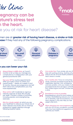
Mater Mothers’ Hospital would like to introduce you to our post-pregnancy Health, Education and Research clinic for women who have had their pregnancy at MMH – in essence, a clinic just “4 HER”.
This clinic has been specifically designed to assist women manage their long-term health following a pregnancy.
Mater Mothers’ Hospital would like to introduce you to our post-pregnancy Health, Education and Research clinic for women who have had their pregnancy at MMH – in essence, a clinic just “4 HER”.
This clinic has been specifically designed to assist women manage their long-term health following a pregnancy.
We know pregnancy is a “stress test” for our bodies and can provide us with a unique opportunity to identify and treat risk factors that will impact health in the future.
For example, having high blood pressure or diabetes in a pregnancy can increase a woman’s risk of heart disease, stroke and kidney disease in the future.
Preventing heart disease is very important – as it is the number one killer of women in Australia.
The goals of the 4HER clinic are:
- Promote women’s health
- Screen you for heart disease risk factors
- Educate and empower women like you to take steps to prevent heart disease
- Research better ways to help women in the future
This comprehensive programme is an Australian first and is based on the successful Canadian Maternal Clinic designed by Dr Graeme Smith. Learn more here.
Frequently Asked Questions
Who can take part in the 4HER clinic?
We invite women who have birthed at either Mater Mother's Hospital or Mater Mother's Private Brisbane and have had any of the following concerns;
- Pre-eclampsia or high blood pressure of pregnancy
- Gestational diabetes or pre-existing Type 2 diabetes
Women who are eligible will be approached in hospital after their pregnancy.
What can you do to reduce your risks of heart disease?
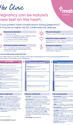
- Stay active by exercising at least 150 minutes per week, aim for at least 10,000 steps a day. Start slow and build up.
- Monitor body weight. Aim for or try to stay at the body weight at which you are the healthiest. This will vary from person-to-person and is not necessarily reflected by the scale or tape measure.
- Eat a diverse diet. Focus on consuming whole, minimally processed foods such as fruits, vegetables, legumes, nuts, whole grains, and lean proteins. Limit your intake of ultra-processed foods that are high in unhealthy fats, added sugar, and salt.
- Live smoke and substance free. Reduce or eliminate tobacco, cannabis and alcohol use.
- Breastfeed for as long as possible.
- Get at least 6 hours of sleep regularly. Uninterrupted sleep is best for your health. However, this may be a challenge with young children. Prioritise your sleep when possible.
- See your primary care provider for routine appointments.
- Space out your next pregnancy, seek help from your provider to optimise your health before the next pregnancy and seek early attention when you become pregnant.
- Monitor your mental health. Speak with your GP if you notice a change in your mood that worries you.
Understanding tests and check-ups
- Tracking your blood pressure is important to manage your heart health risk after pregnancy. Aim to have blood pressure 120/80 or lower. If you have high blood pressure take medication regularly.
- Body weight, body mass index, and waist circumference show overall picture of your health. A loss of 5% of body weight, from any starting weight, has a positive impact on your cardiometabolic health.
- Urinalysis for proteinuria is a test of your urine used to detect and manage kidney disease, high blood pressure or hypertension and diabetes.
- A low haemoglobin indicates you have anaemia and need treatment.
- Estimated glomerular filtration rate (eGFR) measures your level of kidney function.
- 75g oral glucose tolerance test (OGTT) is used to screen for type 2 diabetes.
- HbA1c reflects you average blood glucose levels over the past 3 months.